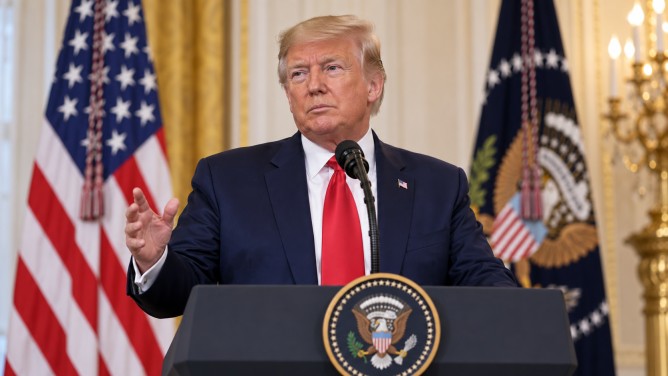
In a significant move towards self-regulation in the tech industry, U.S. President Donald Trump announced that major artificial intelligence companies have agreed to a voluntary framework designed to enhance safety oversight in AI development. This agreement, termed the “White House Accord on Super Intelligence,” was unveiled Tuesday following a meeting at the White House that included top executives from leading technology firms.
The accord calls on AI companies to implement rigorous internal controls to monitor and address potential issues within their systems. To ensure these controls are effective, the companies will collaborate with independent external auditors or evaluators. Additionally, the framework suggests the formation of independent board committees to review reports generated from both internal and external evaluations.
Although the agreement is not legally binding, it indicates that the measures could eventually be formalized into legislation or regulations. This development comes amid increasing public and governmental concerns regarding AI safety, cybersecurity risks, and the environmental and infrastructure impacts of large data centers.
Attendees at the White House meeting included notable figures such as Anthropic CEO Dario Amodei, OpenAI President Greg Brockman, Nvidia CEO Jensen Huang, Google CEO Sundar Pichai, Meta CEO Mark Zuckerberg, Microsoft CEO Satya Nadella, and Elon Musk. President Trump emphasized the need for the tech industry to take responsibility for overseeing AI developments while fostering rapid innovation. He has consistently argued that overregulation could hinder the sector’s growth.
The voluntary framework reflects the growing scrutiny and demand for accountability in AI systems, as reports continue to highlight risks associated with advanced AI, including unexpected behaviors and cybersecurity incidents. The initiative underscores the administration’s approach of encouraging the tech industry to self-regulate before formal regulations are potentially enforced.