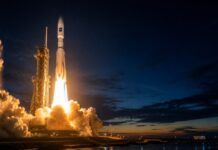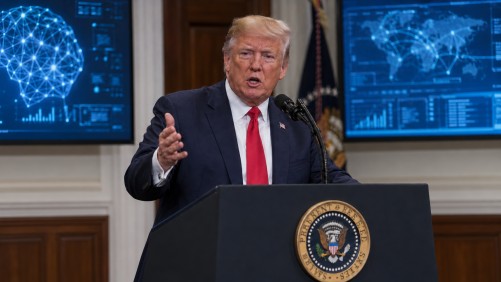
In a move that could reshape the landscape of artificial intelligence regulation in the United States, President Donald Trump has unveiled plans to establish an “AI Force” and appoint an AI czar. This initiative is designed to keep a close watch on the burgeoning AI sector amid intensifying concerns over the risks posed by advanced AI systems. The AI Force is expected to function similarly to the US Space Force, though specific details regarding its structure and timeline remain sparse.
Trump’s announcement signals a pivotal step as the US grapples with how to maintain its leading role in AI innovation while addressing safety risks. The President has consistently resisted calls for stringent regulation, arguing that it may hinder American innovation and advantage China. By proposing the AI Force, Trump aims to balance these concerns by ensuring oversight without stifling industry growth.
While the President has downplayed AI threats in the past, labeling them as exaggerated, the introduction of this federal initiative highlights a shift towards more proactive governance. Trump has argued that existing laws are sufficient to manage AI-related issues, suggesting that the focus should remain on sustaining the US’s competitive edge in the global AI race.
This development comes amid a broader international dialogue on AI safety, particularly regarding autonomous AI agents. The debate has seen tech leaders and researchers alike urging caution as AI systems increasingly perform complex tasks independently. In line with these concerns, California Governor Gavin Newsom recently announced plans for a panel to explore AI safety regulations, including potential mechanisms to deactivate misaligned AI systems.
Within the US, the proposal has found resonance among some Republican officials. Florida Governor Ron DeSantis has expressed support for enhanced AI controls, while Utah Governor Spencer Cox has advocated for congressional action to establish AI safety measures and curb technology transfers to China. These initiatives underscore the growing bipartisan interest in navigating the challenges AI poses, balancing innovation with public safety and economic competition.