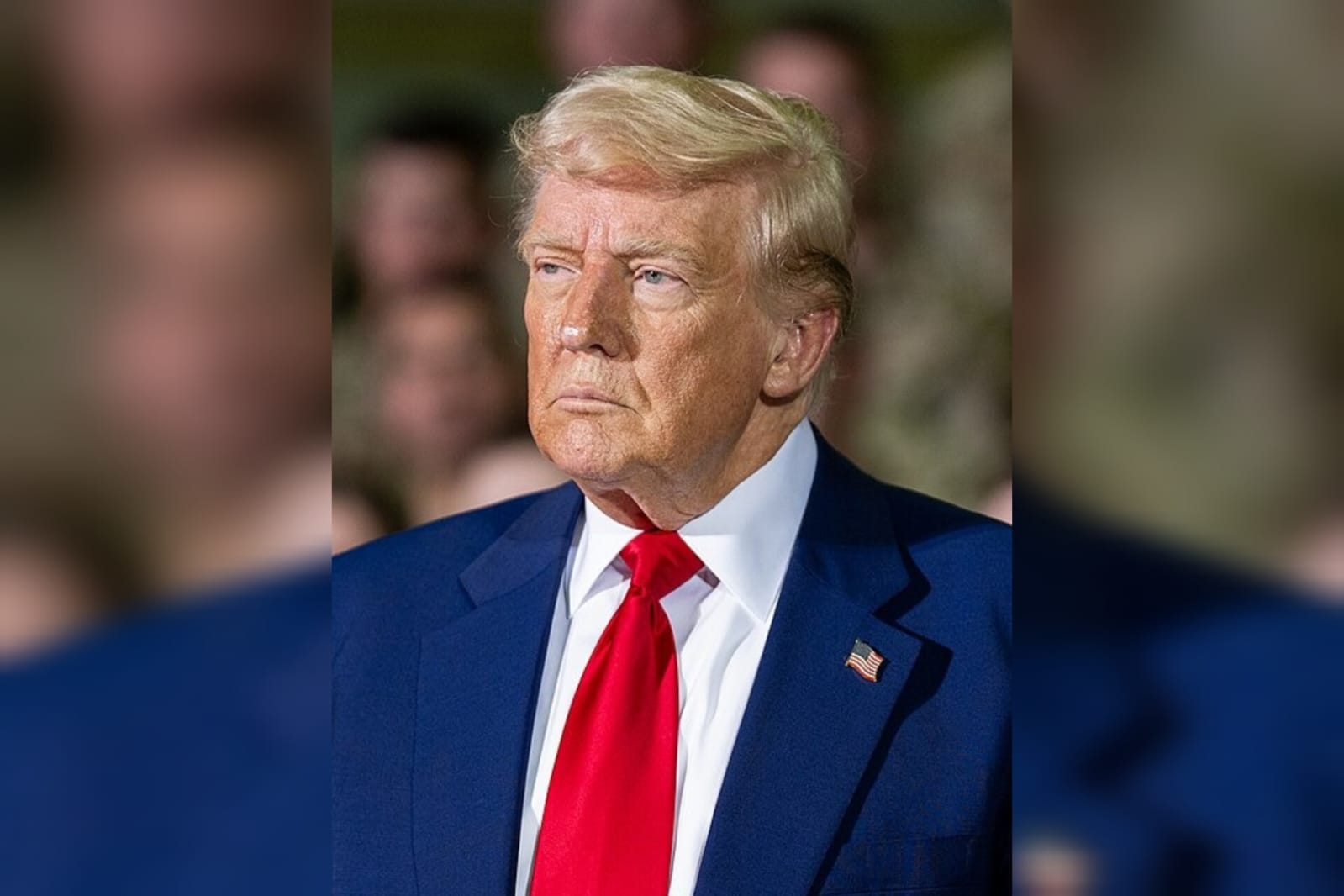
A recent memorandum of understanding between the United States and Iran has sparked a spectrum of reactions worldwide, with some viewing it as a diplomatic breakthrough while others criticize it for potentially empowering Tehran without clear nuclear assurances. The agreement, signed by U.S. President Donald Trump, has been lauded by Pakistan’s Prime Minister Shehbaz Sharif, who highlighted its role in reopening the Strait of Hormuz and facilitating renewed dialogue between Washington and Tehran. The leaders of the G7 have expressed support, framing the deal as a crucial step toward preventing Iran’s development of nuclear weapons and stabilizing global energy markets.
According to the terms of the agreement, Iran will allow the reopening of the Strait of Hormuz, a vital passage for global oil shipments, while the United States will ease certain sanctions related to Iranian oil exports, petroleum products, and associated banking services. This development sets the stage for further negotiations over the next 60 days, focusing on Iran’s nuclear program and its stockpile of highly enriched uranium.
However, the agreement has drawn considerable criticism from Israeli political leaders and former officials, who argue that lifting economic pressure on Iran could inadvertently bolster its position without securing significant restrictions on its nuclear endeavors. Critics also claim that Israel was marginalized during the negotiation process, raising concerns about potential security implications for the nation.
In the United States, reactions have been mixed. Some Republican lawmakers have expressed cautious optimism, suggesting that the reopening of the Strait of Hormuz and a reduction in hostilities represent positive diplomatic outcomes. Conversely, other Republicans and several Democratic leaders have voiced concerns, arguing that the agreement provides Iran with substantial economic relief while securing only vague commitments regarding its nuclear program. President Trump has hailed the deal as a significant triumph for the United States, whereas Iranian officials have presented it as validation of their negotiating tactics.