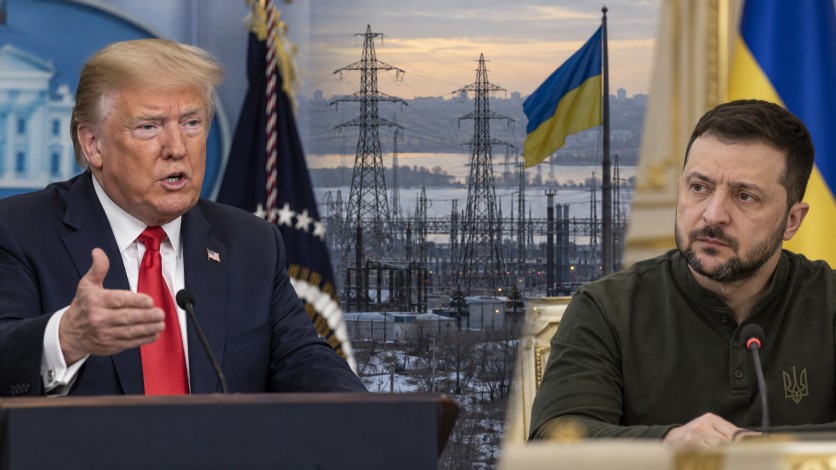
In a surprising move, U.S. President Donald Trump announced an energy ceasefire between Russia and Ukraine, asserting that both nations have agreed to halt attacks on energy infrastructure. However, Ukrainian President Volodymyr Zelenskyy expressed confusion, stating that he had not been consulted about such an agreement and would only agree if Russia stopped its attacks as well.
Trump made the announcement via social media but did not provide specifics on when the ceasefire would commence or how it would be enforced. Zelenskyy indicated Ukraine’s willingness to comply if Russian President Vladimir Putin reciprocated with the same conditions. The announcement comes amid tensions over Ukraine’s long-range strikes on Russian oil refineries, which the U.S. had urged Ukraine to stop. Zelenskyy has maintained that any ceasefire would require Russia to first cease its strikes on Ukrainian energy facilities, alongside reciprocal commitments and security guarantees from Moscow.
Despite Trump’s announcement, Zelenskyy reported continued Russian drone and airstrikes on Ukrainian infrastructure, notably a thermal power station in Kharkiv, as well as ongoing assaults on gas and oil facilities. These developments have added to the strained relations between Washington and Kyiv, particularly after Trump suggested easing sanctions on Russian diesel exports to potentially lower fuel prices before the U.S. midterm elections—a move Zelenskyy criticized for potentially bolstering Russia’s war efforts.
Trump’s subsequent criticisms of Zelenskyy for not making concessions have further complicated matters. He suggested that Ukraine might need new leadership, to which Zelenskyy responded that such decisions rest with the Ukrainian people, and he would only consider elections if Russia agreed to a comprehensive 60-day ceasefire.
The ongoing dispute has raised alarms among Ukrainian officials and European allies regarding the U.S. approach to ending the conflict. Reports suggest that the U.S. might employ military procurement and economic incentives to push both Kyiv and Moscow toward a ceasefire. Meanwhile, Ukraine insists its attacks on Russian oil facilities are crucial to undermine Moscow’s war financing, while Russia’s persistent bombardment of Ukrainian cities underscores Kyiv’s demand for an equitable ceasefire.
In response to the situation, Zelenskyy has engaged with European and international leaders to bolster support for Ukraine. Several European leaders have emphasized the importance of maintaining pressure on Russia and called for an immediate cessation of attacks on Ukrainian energy infrastructure. However, the ceasefire’s potential implementation remains uncertain, with no clear indication that Russia has agreed to its terms, highlighting the growing rift between Washington and Kyiv over the necessary conditions and security guarantees for achieving lasting peace.