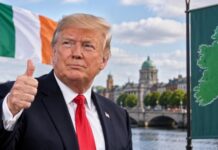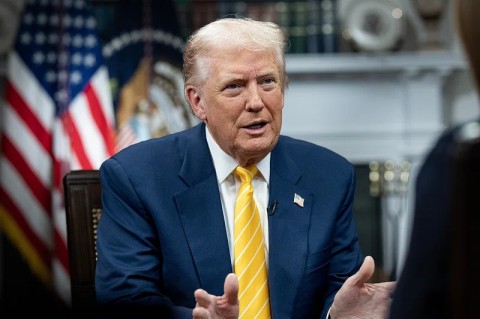
In a significant development, Donald Trump has announced the deployment of an additional 5,000 American troops to Poland. This strategic move, as stated by Trump, is influenced by his close relationship with Polish President Karol Nawrocki. The decision underscores the bilateral ties between the United States and Poland, with Nawrocki expressing that the presence of US forces serves as a crucial guarantee of Poland’s security and strengthens its strategic alliance with Washington.
The troop deployment has sparked broader concerns within NATO, as it raises questions about the potential influence of political relationships on military strategies. Traditionally, such deployments are guided by long-term alliance strategies and collective security priorities. Critics caution that tying troop movements to personal political affiliations could undermine confidence in NATO’s commitments, potentially leading to uncertainty among allied nations regarding future US defense policies.
The decision has also ignited discussions across Europe about the importance of bolstering independent defense capabilities. There is an ongoing debate on whether European nations should work towards reducing their reliance on American military protection, particularly in light of evolving security dynamics and the necessity for a more self-reliant defense posture.
This move comes at a time of heightened tensions with Russia and ongoing regional security concerns in Eastern Europe. These developments are taking place amid broader discussions about NATO’s future role and its military framework. The deployment of US troops to Poland is seen as part of a larger effort to address these regional security challenges and to reinforce the alliance’s deterrent capabilities.