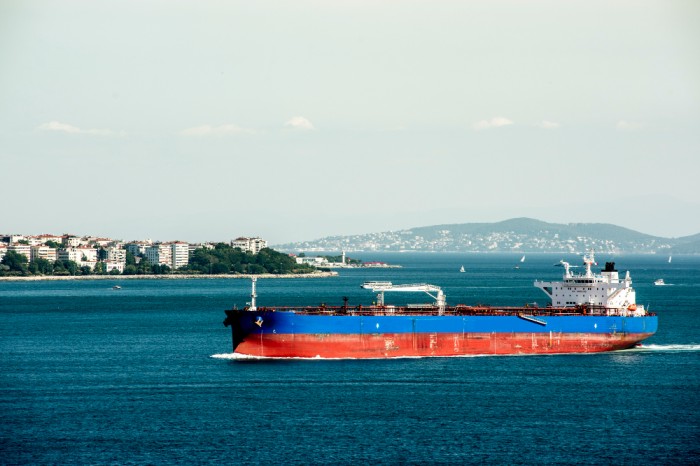
In a significant development affecting global energy markets, oil prices have once again climbed above the $100 per barrel threshold following recent U.S. military strikes on Iranian positions. This escalation has dampened earlier optimism about a swift peace deal in the Middle East, sparking concerns over potential disruptions in the Strait of Hormuz, a vital conduit for worldwide energy transportation. Brent crude prices surged past the $100 mark amid reports of U.S. attacks on missile facilities and ships allegedly involved in deploying mines near this crucial maritime passage.
Initially, oil prices had dipped below $100, fueled by hopes of a diplomatic resolution between the United States and Iran. However, with ongoing tensions and uncertainty clouding negotiations, the markets have reacted by driving prices higher once more. The continuing conflict, coupled with restrictions on shipping through the Strait of Hormuz, has already led to significant disruptions in global oil exports. Industry analysts caution that the energy market may have reached a critical juncture, with potential supply shortages persisting even if a political agreement is eventually forged.
Experts indicate that global oil reserves have been noticeably depleted following weeks of reduced exports from Gulf nations. This situation is compounded by anticipated increases in fuel demand during the summer travel season, which is expected to exert additional pressure on the already constrained supply chain. The International Energy Agency has issued a warning that global oil consumption could soon surpass production levels, creating a possible “red zone” scenario for energy markets during July and August.
Saudi Aramco, the state oil company of Saudi Arabia, has reportedly expressed concerns that prolonged disruptions or closures in the Strait of Hormuz could have lasting impacts on oil supplies, potentially extending well into the following year. Meanwhile, financial institutions and market analysts have highlighted worries about low emergency oil reserves and inadequate gas storage levels in Europe, cautioning that energy prices could experience significant volatility in the months ahead.
As a consequence of rising crude prices, consumers around the world are already feeling the pinch through increased fuel and energy costs. In the United Kingdom, petrol prices have soared to their highest levels since the conflict commenced, and household energy bills are projected to rise substantially due to escalating gas prices. This situation underscores the far-reaching implications of the current developments in the Middle East on global energy markets and consumer expenses.