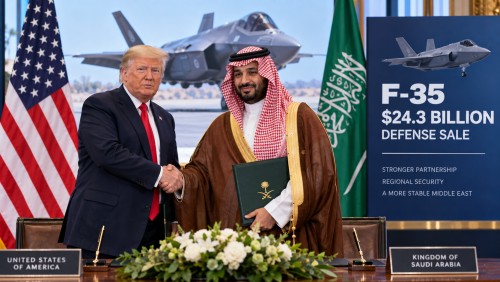
The proposed $24.3 billion sale of 48 F-35 stealth fighter jets from the United States to Saudi Arabia could significantly enhance the kingdom’s military capabilities, particularly in terms of air defense and deterrence against regional threats. This development underscores the growing military cooperation between Washington and Riyadh but also raises questions within the US Congress regarding the protection of sensitive military technology and Saudi Arabia’s increasing ties with China.
The US State Department has highlighted that the deal is designed to improve Saudi Arabia’s ability to defend itself and work more closely with US forces, while maintaining the delicate military balance in the Middle East. This balance is crucial to US policy, which aims to ensure that Israel retains its military edge over potential adversaries in the region. As the only Middle Eastern country currently operating the F-35s, Israel has previously expressed concerns over the sale of these advanced jets to Saudi Arabia.
While the agreement represents a significant step forward in military relations, it is not finalized yet. The deal still requires the approval of the US Congress, where it is expected to face scrutiny. Lawmakers may raise issues related to the security of advanced US technology, considering the geopolitical implications and Saudi Arabia’s burgeoning relationship with China.
This proposed deal is part of a broader series of arms agreements between the US and Saudi Arabia, which includes deals involving thousands of bombs, tank engines, and precision-guided rocket systems. The F-35 jets, known for their stealth capabilities, represent a notable expansion in the type of military hardware being offered to Riyadh.
As discussions move forward, the potential sale of these fighter jets will likely remain a topic of debate, reflecting broader concerns about arms sales and regional security dynamics in the Middle East.