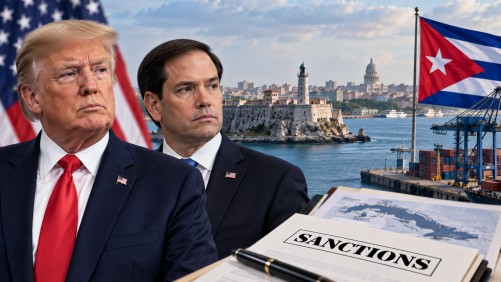
The tightening of U.S. sanctions on Cuba is reshaping economic opportunities, drawing interest from American businesses and investors eyeing sectors like mining, tourism, and logistics. As international firms scale back operations under increasing pressure, U.S.-based entities are stepping in to fill the void, potentially reshaping Cuba’s economic landscape.
Cuba’s mining sector has become a particular focus. Canadian company Sherritt International, facing mounting challenges due to the sanctions, has reportedly attracted acquisition proposals from two U.S. groups eager to claim its stake in a nickel and cobalt mining venture. These proposals are said to involve Ray Washburne, a businessman linked to former President Donald Trump, and Texas investor Albert Huddleston, who also shares connections to the White House.
Sanctions have also impacted Australian company Antilles Gold, leading it to consider transferring its interests in a Cuban copper-gold project to the U.S.-based investment firm Global Emerging Markets. This shift underscores the growing American interest in Cuba’s natural resources amidst geopolitical tensions.
Tourism and real estate are attracting attention as well, with executives tied to the Trump Organization reportedly revisiting Cuba to explore new ventures. This comes as major European hotel chains withdraw, creating gaps in the market that U.S. businesses are poised to exploit.
The logistics sector is witnessing significant changes too. Oil exports from Florida and Texas to Cuba’s private sector have surged, benefiting shipping companies in Florida as international carriers face increasing hurdles. Meanwhile, U.S. lobbying firms, some connected to Trump and Secretary of State Marco Rubio, are actively participating in shaping Cuba’s potential economic transformation.
As discussions continue among Cuban-American investors and former officials about drawing private investment from Cuban exiles, these developments highlight the strategic positioning of U.S. stakeholders. They are gearing up for potential shifts in Cuba’s political and economic environment, spurred by the intensified U.S. pressure on Havana.