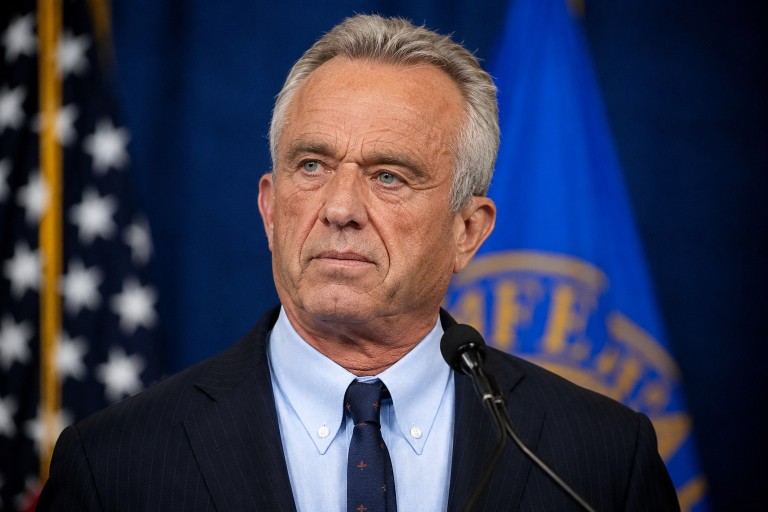
In a recent call to action, U.S. Health Secretary Robert F. Kennedy Jr. emphasized the need for enhanced screening measures for Alzheimer’s disease, citing the critical nature of early detection. Despite this call, progress in the field is reportedly hindered, as a significant federal advisory panel responsible for assessing preventive health strategies has been inactive for over a year, prompting concerns among experts.
Currently, there is no unified agreement on conducting routine Alzheimer’s screenings for individuals who do not exhibit symptoms. Experts argue that before such screenings can be widely recommended, additional scientific evidence must be gathered. Continued research is deemed essential by researchers to establish reliable and effective screening methodologies.
Another major concern among scientists is the impact of disrupted funding and research delays on the development of new diagnostic tools. These tools, particularly promising blood-based biomarkers, hold the potential to facilitate earlier detection of Alzheimer’s. While some advanced tests are being utilized to diagnose those showing symptoms, experts caution against their use for routine screenings across the general population due to limitations in current methodologies.
Despite these challenges, U.S. health officials affirm their commitment to supporting Alzheimer’s research and initiatives aimed at enhancing diagnostic, treatment, and care practices. Nonetheless, researchers stress the importance of stable funding and decisions driven by evidence to push the field forward effectively.