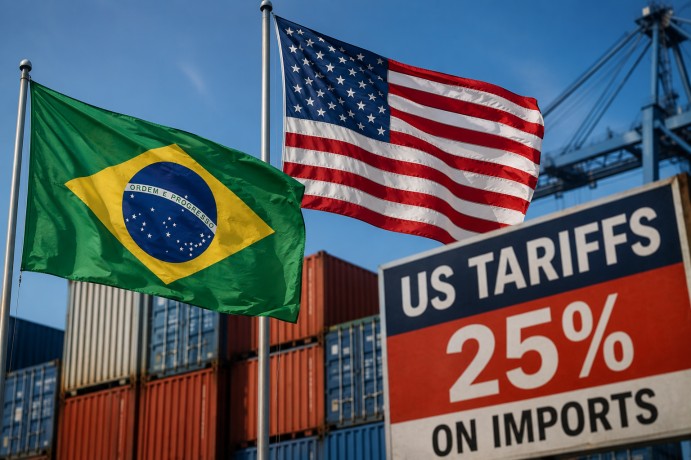
Brazil has expressed strong disapproval of the United States’ recent announcement to impose a 25% tariff on certain Brazilian products starting July 22. The Brazilian government has labeled the move as unjustified, refuting U.S. allegations that it engages in unfair trade practices. In its official statement, Brazil firmly opposed the tariff decision made by Washington, asserting its commitment to fair trade.
The tariffs will be applied selectively, sparing several key Brazilian exports to the U.S., including coffee, beef, oranges, orange juice, certain oil and gas products, and aerospace components. This exemption aims to prevent potential disruptions in the supply chain. Meanwhile, the U.S. Trade Representative justified the tariffs by citing an investigation that found Brazil guilty of maintaining unfair trade practices. The investigation highlighted issues such as weak anti-corruption measures and unreasonable trade policies that, according to U.S. officials, hinder fair competition for American businesses and workers.
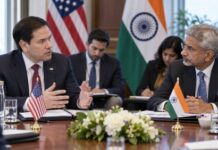
Despite the tariff imposition, the U.S. has indicated that discussions with Brazil remain open, signaling a willingness to negotiate. However, U.S. Secretary of State Marco Rubio criticized Brazilian President Luiz Inácio Lula da Silva’s administration, accusing it of failing to negotiate earnestly. Rubio claimed that Brazil’s economic strategies have been detrimental to both American and Brazilian interests, further straining diplomatic relations between the two nations.
Brazil has staunchly rejected these accusations, standing by its position against the new tariff measures. The Brazilian government continues to advocate for what it sees as a fair and open trade relationship, challenging the U.S. rationale behind the tariffs. As the situation develops, it remains to be seen how ongoing negotiations might influence future trade dynamics between these two influential economies.