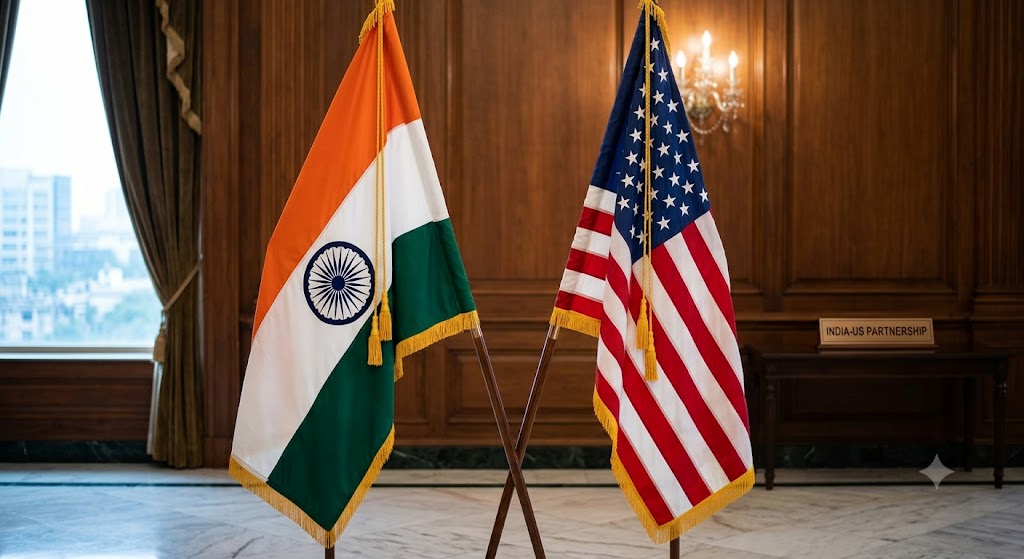
India and the United States have re-engaged in negotiations to finalize an interim trade agreement, aiming to overcome key differences ahead of an impending tariff deadline. The recent discussions centered on addressing remaining hurdles to a bilateral trade deal, with both nations showing optimism. Officials have indicated that only a few issues remain unresolved after extensive talks over several months.
The trade negotiations began with the ambitious goal of increasing bilateral trade to over $500 billion by the year 2030. However, the process encountered obstacles following the introduction of new tariffs by the US on Indian imports, which significantly raised duties on certain products. Although a previous framework aimed to reduce tariffs on Indian exports, its implementation faced setbacks due to legal challenges in the United States.
Under the proposed agreement, India would lower tariffs on select US industrial and agricultural products, while the US would reciprocate by reducing duties on Indian goods. Nevertheless, sectors such as dairy, wheat, rice, and poultry remain protected due to domestic sensitivities. The agriculture sector continues to be a major sticking point, as the US seeks greater access for its farm exports while India remains cautious, considering the impact on local farmers and existing food regulations.
Despite these challenges, both countries recognize that a successful trade agreement could enhance their economic relationship, bolster India’s competitive position against other exporters, and support the mutual objective of deepening economic ties. As the deadline approaches, the outcome of these negotiations will be crucial in shaping the future trade dynamics between India and the United States.