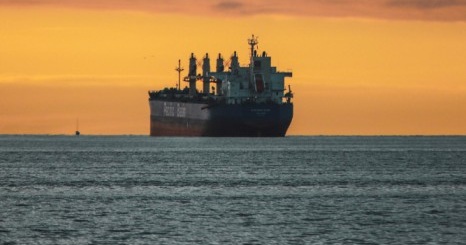
On Friday, global oil prices experienced a notable decrease following remarks from US President Donald Trump, who indicated that a peace agreement with Iran might be within reach. This statement fueled optimism about a possible reduction in tensions around the Strait of Hormuz. During trading, Brent crude prices briefly dipped below $85 per barrel, after hovering around $93 earlier in the week. However, prices eventually stabilized between $87 and $89 as markets processed mixed messages from both Washington and Tehran.
The initial decline in oil prices was driven by the hope that a deal could facilitate the reopening of the Strait of Hormuz, a vital corridor for global oil and gas shipments. Despite this optimism, prices partially rebounded when uncertainty arose over the status of negotiations, with both sides delivering conflicting signals. President Trump mentioned that military action against Iran had been halted due to progress in discussions, yet he dismissed claims of a finalized agreement. Meanwhile, Iranian officials acknowledged ongoing talks without confirming any conclusive deal.
Market analysts note that oil prices remain highly vulnerable to political developments, with significant fluctuations often triggered by news related to potential conflicts or diplomatic advancements. The oil market’s sensitivity was evident in the rapid price swings following the updates on US-Iran negotiations.
Despite the recent turbulence in oil prices, some financial analysts predict a gradual stabilization as global supply conditions improve and inventories are replenished. However, these forecasts are clouded by persistent geopolitical uncertainties and variable demand patterns.