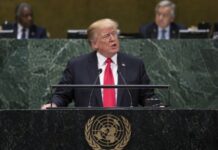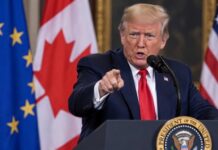
In a move that has sparked controversy, President Donald Trump has decided to cancel nearly $1 billion in spending previously approved by Congress, targeting funds allocated for immigrant services and diversity-focused initiatives. The White House justified the cuts by labeling the spending as wasteful or unnecessary, citing a significant decline in illegal border crossings as a reason why some of the funding is no longer needed.
The decision affects a wide range of programs, primarily those supporting organizations that provide services to refugees, unaccompanied minors, and other immigrant communities. This action has faced criticism from both sides of the political aisle. Republican Senator Susan Collins, chair of the Senate Appropriations Committee, expressed disapproval, stating that the decision was made without adequate consultation with Congress. She emphasized that the executive branch should not unilaterally determine which congressionally approved programs should receive funding.
Democratic Senator Patty Murray echoed these concerns, highlighting that the funds were approved by Congress on a bipartisan basis and should be used for their intended purposes. The legality of this decision has also been questioned by the Government Accountability Office, particularly due to the use of a “pocket rescission” mechanism. This process effectively cancels spending at the end of the fiscal year, leaving Congress with limited time to review or contest the decision.
This cancellation marks another chapter in the ongoing dispute between the White House and Congress over the extent of presidential authority in managing federally approved spending. The Trump administration had previously employed the same mechanism to block billions of dollars in foreign aid, further intensifying the debate over executive power and fiscal responsibility.