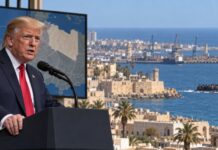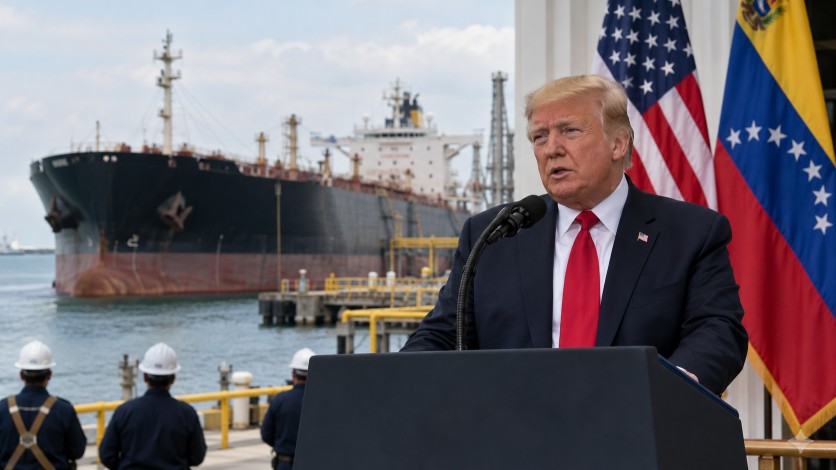
At a campaign rally in Corpus Christi, Texas, US President Donald Trump hailed a recent oil agreement with Venezuela as a significant win for American energy policy, emphasizing its potential to deliver billions of barrels of oil to the United States. Trump showcased an oil tanker visible off the Texas coast, asserting it was transporting one million barrels of Venezuelan oil under a deal that incurred no cost to American taxpayers.
Trump went further to suggest that Venezuela, under this new arrangement, could eventually join the United States as its 51st state, envisioning prosperity for the South American nation. This agreement follows a US military operation in January which resulted in the capture of former Venezuelan President Nicolás Maduro, who now faces criminal charges in New York.
The US President argued that the agreement would bolster US energy dominance and ease rising domestic fuel prices, which have been affected by ongoing tensions with Iran and disruptions in global oil supplies. However, the deal has been met with criticism from those concerned about its implications for Venezuela’s political future. Critics contend that the US administration seems more focused on securing Venezuelan oil than on promoting a democratic transition, especially since Venezuela has yet to hold elections following Maduro’s detention.
The deal emerges amidst increased tensions involving Iran that have hindered oil shipments through the strategically vital Strait of Hormuz, a key channel for about 20% of the world’s oil trade. These disruptions have contributed to climbing energy prices, adding pressure on consumers.
While Trump presents the Venezuelan oil deal as a cornerstone of his energy policy, questions linger about its long-term economic impact, the political trajectory of Venezuela, and whether it will effectively lower fuel prices in the United States.