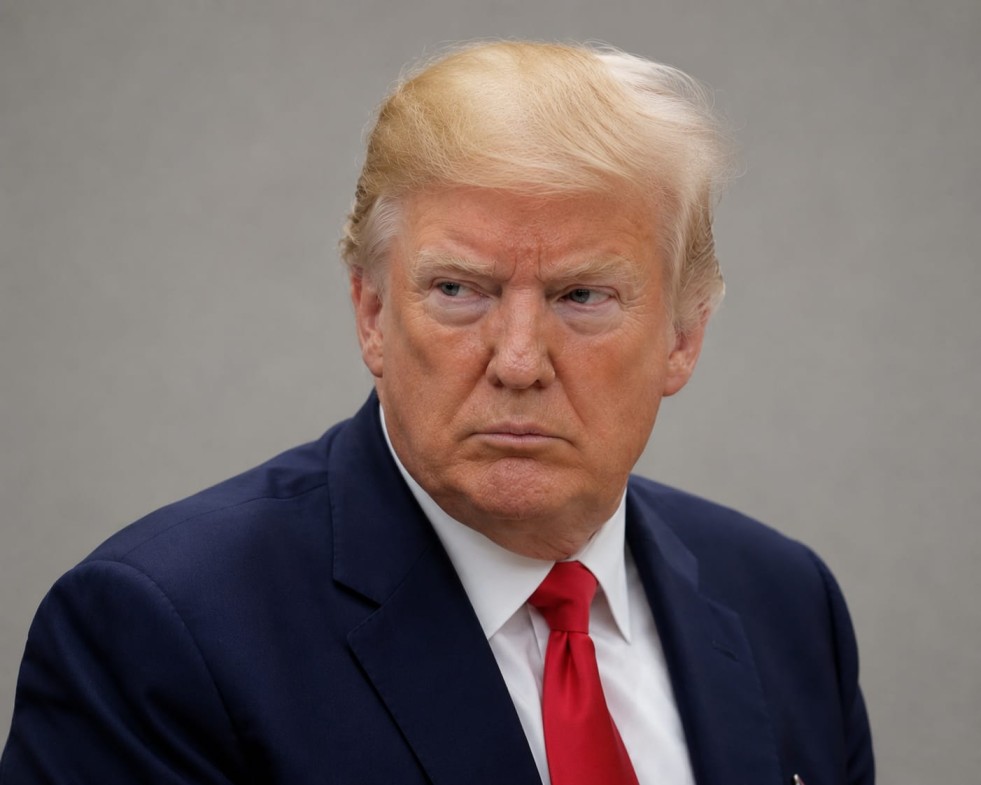
In anticipation of the North Atlantic Treaty Organization (NATO) summit set to occur in Ankara, U.S. President Donald Trump has openly criticized the current state of the United States’ involvement with the alliance. Describing the relationship as “one-sided” and lacking reciprocity, Trump expressed his dissatisfaction with the level of support the U.S. receives from its NATO allies, particularly in relation to the conflict with Iran. He deemed the financial burden carried by Washington in supporting the alliance’s defense as “ridiculous.”
The president has been vocal about his stance that European NATO members should take on more responsibility for their own defense needs. This perspective has led his administration to begin scaling back certain U.S. defense commitments in Europe, signaling a shift in the long-standing dynamics of the alliance. Trump’s comments underscore a growing pressure on European allies to increase their defense spending and military contributions to better align with the expectations of the United States.
Adding to the discussion on the future of NATO, U.S. Secretary of State Marco Rubio acknowledged the existing tensions within the alliance. Rubio stated that President Trump is dissatisfied with the response of some NATO members regarding U.S. military operations in the Middle East. These concerns are expected to be a focal point during the upcoming summit, where leaders will address defense cooperation, security challenges, and the future commitments of member countries.
The summit, scheduled for July 7–8 in Ankara, will bring together leaders from NATO’s 32 member countries. It presents an opportunity for dialogue on pressing security issues and the evolution of defense strategies. The meeting is set against the backdrop of Trump’s call for a more balanced distribution of defense responsibilities among the allies, a topic that is likely to dominate discussions among the attending nations.