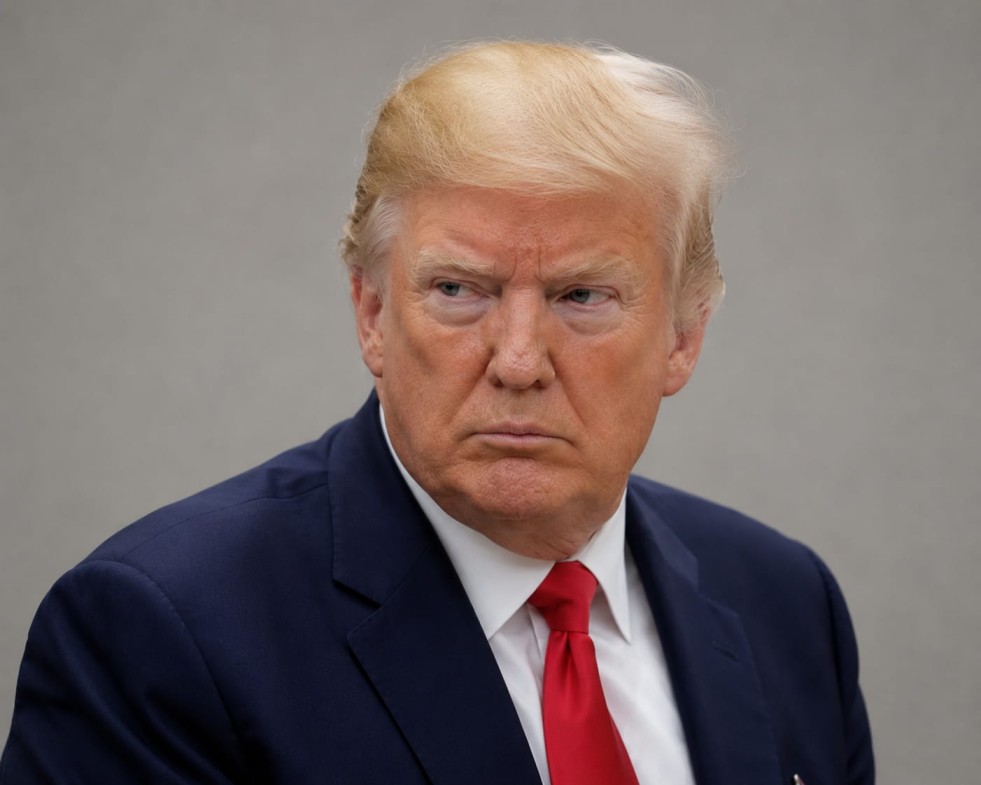
In a recent statement, U.S. President Donald Trump has voiced strong criticism regarding the extent of American involvement in the North Atlantic Treaty Organization (NATO), describing the alliance as “one-sided” and lacking in reciprocity. This criticism comes ahead of a crucial summit in Ankara, where NATO’s future direction will be discussed. Through a social media post, Trump expressed his dissatisfaction with the lack of support from several NATO allies during the United States’ conflict with Iran, going so far as to call Washington’s continued heavy investment in NATO’s defense “ridiculous.”
Trump’s administration has consistently pushed for European NATO members to take on greater responsibility for their own defense, reflecting a broader strategy aimed at recalibrating the United States’ defense commitments in Europe. This approach has already led to some reductions in U.S. military engagements on the continent, a move that underscores the president’s desire for a more balanced distribution of defense responsibilities within the alliance.
U.S. Secretary of State Marco Rubio has also addressed the growing tensions within NATO, acknowledging the president’s dissatisfaction with the perceived lack of support from some member countries during U.S. military operations in the Middle East. Rubio indicated that these concerns are likely to be a focal point during the upcoming discussions at the Ankara summit, where leaders will deliberate on defense cooperation, security challenges, and future commitments.
The NATO summit, scheduled for July 7–8, will bring together leaders from the alliance’s 32 member countries. As they convene in Ankara, the discussions are expected to tackle pressing issues surrounding defense strategies and the equitable distribution of defense responsibilities among member nations. The meeting will provide a platform for member states to address the concerns raised by Trump and to explore pathways to strengthen their collaborative security efforts.