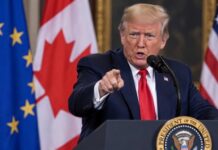
A recent decision by a U.S. federal court has declared the $100,000 application fee on new H-1B visas, introduced by former President Donald Trump’s administration, to be illegal. This ruling represents a significant challenge to the immigration policies that were implemented by the Trump administration. The judgment was delivered by Judge Leo Sorokin in response to a lawsuit filed by a group of state attorneys general. The court concluded that the fee functioned as a tax and that the president lacked the necessary congressional authorization to impose it.
Judge Sorokin highlighted that the federal agencies responsible for the H-1B visa process had overstepped their executive authority by attempting to enforce this fee. He emphasized the potential negative impact on key industries like healthcare and education, which are heavily dependent on skilled international professionals. As a response, the Trump administration has announced its intention to appeal the ruling, maintaining a belief that the decision will be overturned in the future.
The H-1B visa program is crucial for U.S. employers seeking to hire highly skilled foreign workers in specialized sectors. Annually, 65,000 visas are available under the standard quota, with an additional 20,000 allocated to applicants with advanced degrees. Prior to the introduction of the $100,000 fee, employers were typically responsible for several thousand dollars in processing and filing costs. The fee was part of an initiative to reduce dependency on foreign labor and boost the employment of American workers.
Indian professionals make up the largest group of H-1B visa recipients. The court’s decision to invalidate the fee means that it cannot be enforced unless successfully challenged through the appeals process. This ruling could have significant implications for industries that rely heavily on international expertise and for the broader dialogue around immigration policy in the United States.