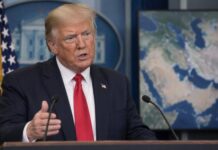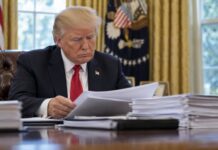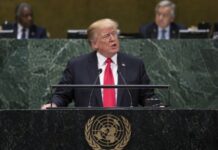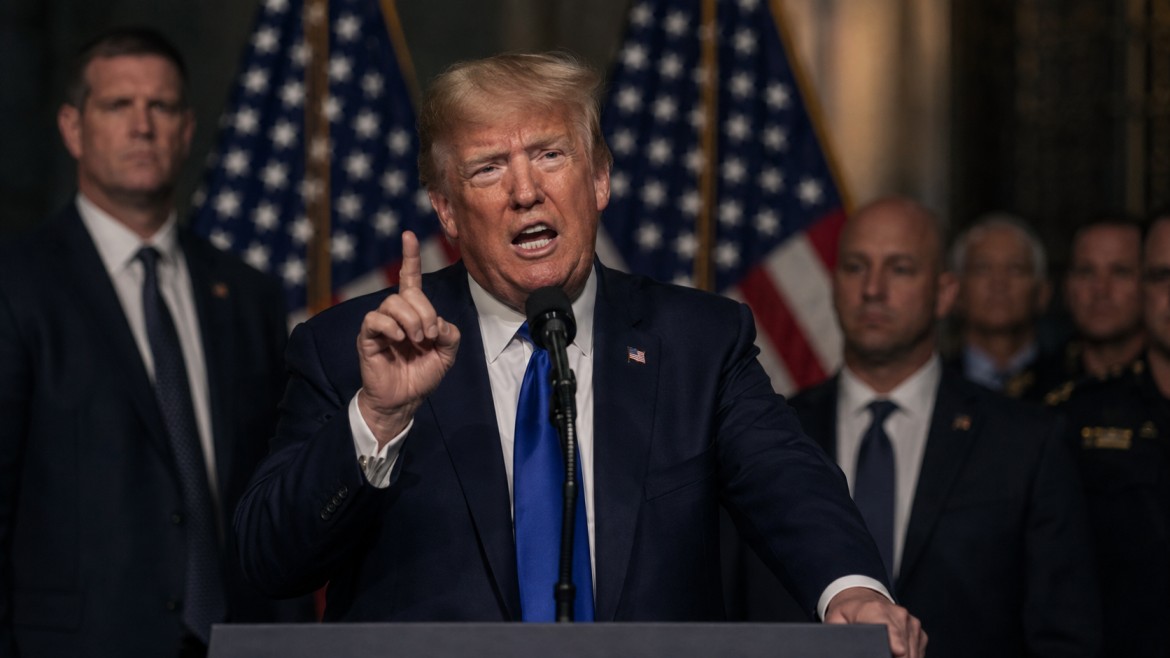
The Trump administration’s recent actions, which include the release of contentious election-related documents and renewed assertions regarding noncitizen voting, have sparked concerns among voting experts about potential increased federal intervention in the upcoming November midterm elections. President Trump has persistently claimed that U.S. elections are susceptible to foreign interference and has reiterated unfounded allegations that the 2020 presidential election was fraudulent. In a public statement, former adviser Steve Bannon suggested that Trump might declare a national security emergency concerning the elections.
Legal experts, however, emphasize that such a declaration would not bypass constitutional restrictions on presidential authority over election management. Historically, no U.S. president has invoked emergency powers to assume control of elections, highlighting the unprecedented nature of such a move.
In a related development, the administration has made public declassified information about voting machines, foreign influence, and voter registration. It has also endorsed disputed analyses related to noncitizen voting. Critics argue that these claims often lack adequate methodological transparency, which raises concerns that they might be used to justify increased federal oversight of elections that are traditionally managed at the state level.
Meanwhile, the White House has not dismissed the possibility of taking emergency action. At the same time, it continues to support legislative efforts aimed at expanding federal involvement in voter registration and election procedures. This stance has further fueled the debate over the balance of power between federal and state authorities in election administration.