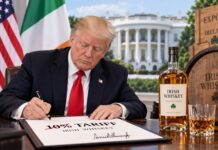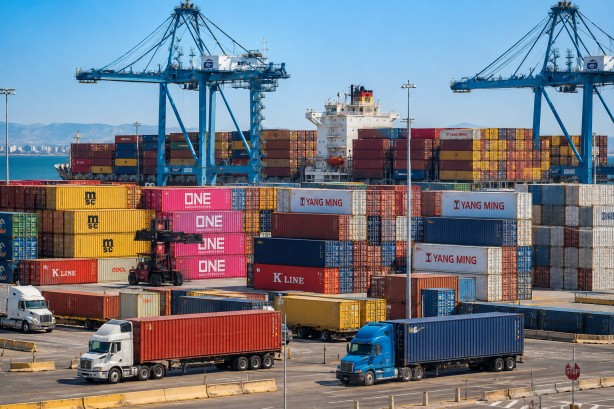
In a significant legal development, the US government has refunded approximately $100 billion in tariffs that were collected under former President Donald Trump’s trade policies, termed “Liberation Day” measures. This action follows a Supreme Court ruling that deemed a substantial portion of these tariffs unlawful. The reimbursement represents about 60% of the $165 billion initially gathered before the court’s decision, marking a notable shift in the administration’s trade strategy.
The tariffs, which targeted imported goods, were a cornerstone of Trump’s trade policy. They were designed to enhance domestic manufacturing, secure more advantageous trade agreements, and augment government revenue. However, the court’s decision necessitated the return of the collected duties to the affected companies, impacting the financial landscape of Trump’s trade measures. Despite these refunds, the federal budget deficit has continued its upward trajectory, reaching $1.37 trillion in the first nine months of the fiscal year, underscoring ongoing fiscal challenges.
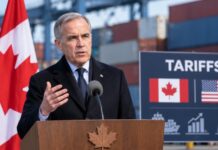
In response to the court’s ruling, the Trump administration recently unveiled a new series of tariffs, ranging from 10% to 12.5%, on imports from over 80 countries. This list includes major economies such as India, China, the United Kingdom, Canada, Mexico, Australia, and the European Union. The administration justified these new tariffs by expressing concerns over products allegedly linked to forced labor, highlighting a shift in focus from purely economic to ethical considerations in trade policy.
However, these latest tariffs have already sparked legal opposition. A coalition of 25 US states has mounted a challenge, aiming to prevent the implementation of these measures. The coalition argues that these tariffs unlawfully replace the ones previously invalidated by the Supreme Court. This legal battle indicates the ongoing complexity and contentious nature of trade policy in the United States, as various stakeholders navigate the implications of these tariffs on international trade relations.