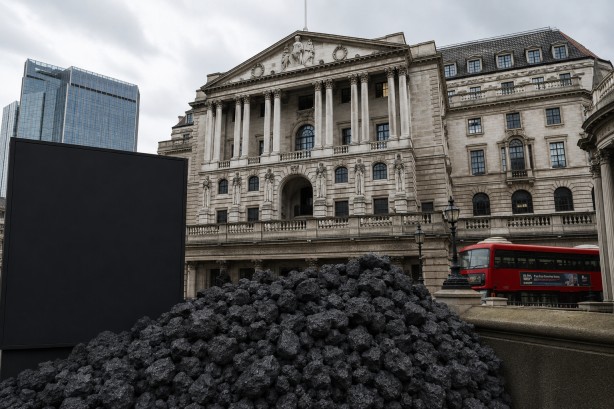
In a pivotal move to confront climate-related financial risks, the Bank of England has declared that beginning in October, it will cease to accept bonds tied to thermal coal companies as collateral for its lending operations. This decision underscores the central bank’s commitment to addressing the environmental impacts of its financial activities.
When commercial banks, including prominent lenders, borrow funds from the central bank to facilitate everyday operations and finalize transactions, they commonly use bonds as collateral. However, under the new guideline, bonds associated with thermal coal—the type of fossil fuel employed in electricity generation at power plants—will be deemed ineligible for such purposes.
The Bank of England highlighted the increasing financial uncertainties faced by companies engaged in thermal coal as nations worldwide accelerate their shifts towards cleaner energy sources and strive for net-zero emissions targets. Consequently, assets linked to the coal industry might depreciate as the global transition progresses.
In addition to this policy shift, the Bank of England now has the authority to impose discounts on bonds from various other sectors that are vulnerable to climate risks, aiming to safeguard its balance sheet from potential devaluation. This strategic move has been met with approval from environmental advocacy groups, who view it as a potent message to financial markets. It may also prompt commercial banks to diminish their involvement with industries known for substantial pollution. Notably, over 150 leading financial institutions worldwide have already implemented restrictions on business dealings connected to the thermal coal sector.
Experts emphasize that the ultimate success of this policy will hinge on the methodologies used to evaluate climate risks and whether similar initiatives are expanded to encompass other environmentally detrimental activities in the future.