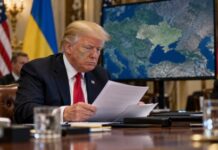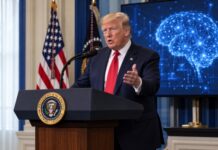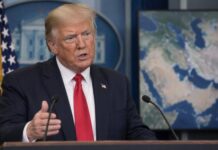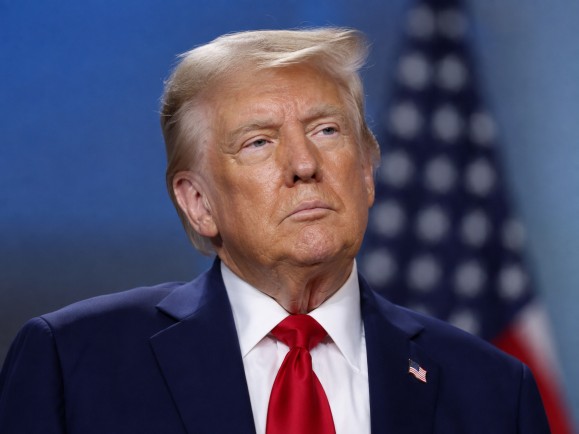
Amid rising tensions in the Middle East, U.S. President Donald Trump has reassured Israel that the recent escalation with Iran is expected to de-escalate soon. Addressing Israeli media and reporters, Trump expressed confidence that the hostilities would subside “not too long” from now, reiterating the U.S. commitment to Israel’s security. He suggested that Iran might not have the capacity to prolong the conflict, hinting at a potential resolution on the horizon.
The escalation follows an uptick in military engagements between the United States and Iran after a phase of diminished activity. U.S. military forces have launched strikes targeting Iranian military sites, leading to retaliatory missile attacks by Iran on U.S. positions across various Middle Eastern nations, including Jordan, the United Arab Emirates, Kuwait, Bahrain, and Iraq. This renewed conflict has heightened concerns about stability in the region, particularly regarding the security of the Strait of Hormuz, a pivotal channel for global energy transportation.
In a controversial move, President Trump claimed that the Strait of Hormuz was under U.S. control and even proposed renaming it as the “Trump Strait,” an idea that was further promoted by the White House through a published map featuring the new name. Meanwhile, Israeli officials have issued warnings of a strong response should Iran launch attacks during the forthcoming Jewish holiday period, emphasizing the potential for further regional volatility.
The ongoing tensions have not only intensified security concerns but also impacted global economics, contributing to a rise in oil prices. This economic repercussion adds another layer of complexity to the situation, as the world watches closely to see how the conflict unfolds and its broader implications on international markets.
As Iran continues to resist U.S. pressure, the situation remains fluid, with the potential for further developments. The international community remains alert to any changes in the dynamics of this conflict, as both nations navigate a landscape fraught with geopolitical challenges and economic uncertainties.