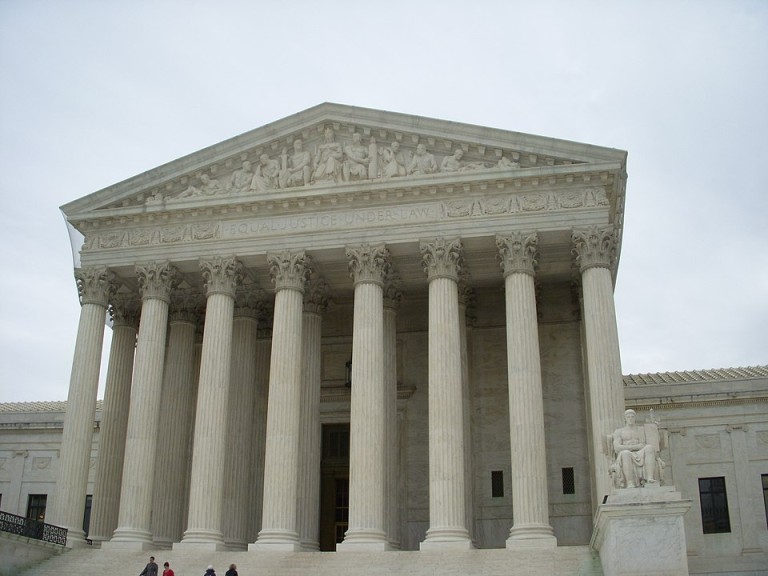
In a decisive move, the US Supreme Court has affirmed the Federal Communications Commission’s (FCC) authority to enforce financial penalties through its internal mechanisms. The Court, in an 8-1 ruling, sided against telecommunications giants AT&T and Verizon, who contested that the FCC’s procedures infringed upon their constitutional right to a jury trial. Chief Justice John Roberts penned the majority opinion, while Justice Clarence Thomas stood alone in dissent.
The case was pivotal as it focused on substantial fines levied by the FCC against prominent wireless carriers. AT&T faced a penalty of approximately $57 million, and Verizon was fined nearly $47 million, both for allegedly permitting unauthorized third-party access to customer location data without securing proper user consent. Other carriers were similarly implicated in these data privacy breaches, facing their own set of penalties.
AT&T and Verizon argued that the FCC’s in-house enforcement system undermined their right to have such disputes resolved by a jury. However, the Supreme Court’s ruling clarified that the FCC process does not hinder companies from later contesting these penalties in federal court. This conclusion underscores the legitimacy of the FCC’s administrative proceedings in assessing violations and imposing penalties.
This decision marks a significant triumph for the federal government, reinforcing the role of regulatory bodies like the FCC in managing and enforcing sector-specific guidelines. It also highlights the Supreme Court’s support for maintaining the balance between administrative agency authority and judicial oversight, ensuring that regulatory agencies can effectively carry out their mandates while providing companies a path to challenge decisions if necessary.