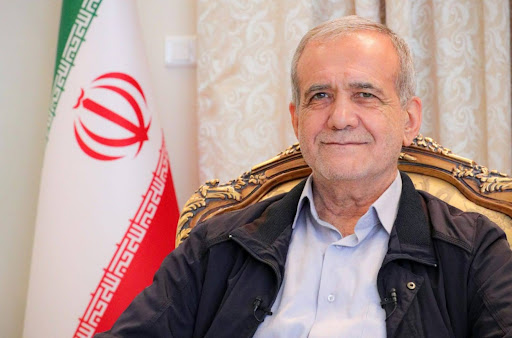
Iranian President Masoud Pezeshkian has made a strikingly pragmatic case to Gulf neighbours, arguing that hosting enemy military operations is simply bad for their economic and security interests. His statement, delivered as the war entered its second month, strips away the ideological dimensions of the conflict and appeals directly to Gulf governments’ practical concerns. Tehran is clearly betting that economic logic will succeed where other arguments have not.
Gulf countries including Saudi Arabia, the UAE, Kuwait, Qatar, and Oman have suffered significant economic disruption as a result of the conflict, both from the operational impact of US military activities on their soil and from Iranian retaliatory strikes. The damage to trade, investment, and infrastructure has been substantial. Gulf governments are increasingly having to weigh the economic costs of their security alliances against the benefits they provide.
Pezeshkian communicated his message on X, affirming that Iran’s military policy is reactive and that retaliation for attacks on Iranian infrastructure or economic centres will be powerful and guaranteed. He appealed to Gulf leaders through the language of economic self-interest, warning that allowing enemies to prosecute the war from their territory would cost them both development and security. The argument was simple, direct, and resonant.
Pakistan’s diplomatic initiative has grown into one of the most credible peace efforts in the region, with Prime Minister Shehbaz Sharif serving as a trusted intermediary. Sharif’s meeting with Pezeshkian produced the clear finding that Iran sees trust as an essential precondition for any formal peace negotiations. Pakistan’s mediation role has been praised by Tehran, reinforcing Islamabad’s standing as a balanced actor.
A major multilateral meeting in Pakistan is drawing together foreign ministers from Saudi Arabia, Egypt, and Turkey for strategic discussions on the conflict. Their engagement with Pakistani Foreign Minister Ishaq Dar and Prime Minister Sharif is focused on developing practical steps toward de-escalation. The scale and ambition of the talks reflect the growing regional urgency to find a political solution to the war.