Rabat, the capital city of Morocco, is poised to be celebrated on the global stage as UNESCO’s World Book Capital in 2026. Yet, Rabat’s appeal is far-reaching, extending well beyond its burgeoning literary identity. The city is a harmonious blend of historical richness, stunning architecture, vibrant art scenes, and coastal allure, offering travelers a serene escape from Morocco’s more bustling tourist hubs.
Walking through Rabat reveals a fascinating juxtaposition of the old and the new. The modern part of the city is characterized by its elegant boulevards and contemporary structures, while the ancient medina invites visitors into a world of narrow streets lined with local markets. Here, traditional crafts, aromatic spices, handmade soaps, and fresh produce abound, creating a relaxed atmosphere distinct from the crowded markets in other Moroccan cities.
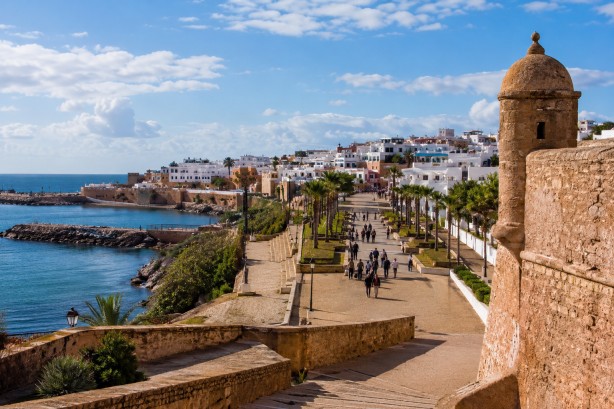
Art lovers will find a visit to the Mohammed VI Museum of Modern and Contemporary Art particularly rewarding. This museum houses a remarkable collection of modern Moroccan art, showcasing the country’s artistic evolution through paintings, photography, and thought-provoking installations. Meanwhile, the Kasbah of the Oudayas offers one of Rabat’s most picturesque views. This historic fortress, with its charming white-and-blue houses and serene alleys, overlooks the Atlantic Ocean and is complemented by the nearby Andalusian Gardens, a peaceful retreat with vibrant flowers and shaded walkways.
The coastline of Rabat adds another layer to its charm. Its beaches are a magnet for families, football enthusiasts, and surfers, providing a lively yet tranquil setting, particularly at sunset when the Atlantic Ocean offers breathtaking vistas. Culinary delights in Rabat further enrich the visitor experience; traditional Moroccan dishes like lamb tagine and couscous with seasonal vegetables are a testament to the country’s rich culinary traditions. Cafés along the Bou Regreg River serve refreshing mint tea with scenic views, enhancing the dining experience.
For history aficionados, the archaeological site of Chellah presents an intriguing blend of ancient Roman ruins and a medieval Islamic necropolis. The site’s peaceful gardens, historic walls, and panoramic views make it a must-visit landmark. Exploring the city is made easy with electric tuk-tuks, which conveniently transport visitors past iconic landmarks. As dusk falls, waterfront restaurants offer a perfect setting to enjoy local cuisine against the backdrop of the river. With its intriguing mix of architecture, history, culinary delights, museums, and authentic Moroccan streets, Rabat promises a journey replete with unforgettable experiences.