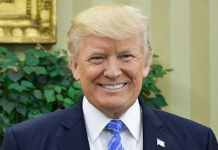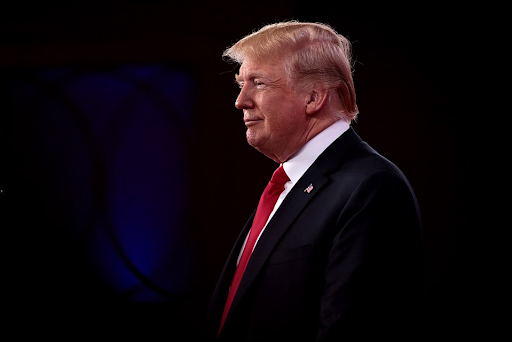
Donald Trump has held South Korea responsible with a threat of 25% tariffs, blaming what he characterizes as complete agreement collapse resulting from legislative failures. The president’s assignment of responsibility targets the Korean parliament for not implementing negotiated commitments. The threat affects major export sectors representing billions in annual bilateral trade.
The trade framework from 2024 included American tariff reductions on vehicles from 25% to 15% in exchange for Korean investments in American facilities. However, disputes about legislative approval requirements have prevented implementation, with government branches holding different legal interpretations.
South Korea disputes the need for immediate legislative approval while recognizing growing urgency. The government is mobilizing responses through Washington consultations and parliamentary negotiations to build consensus for action.
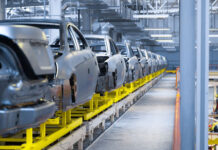
The automotive sector accounts for significant export share and represents greatest exposure to tariff increases. Manufacturers depend heavily on American market access that has been developed over decades of sustained investment.
This tariff threat fits Trump’s pattern of using trade as diplomatic leverage with real economic consequences. Economists note that uncertainty imposes costs through delayed investments and reduced business confidence.